

Selecting Food-Grade Gaskets: A Guide to Material Compatibility and FDA Compliance
09 April 2026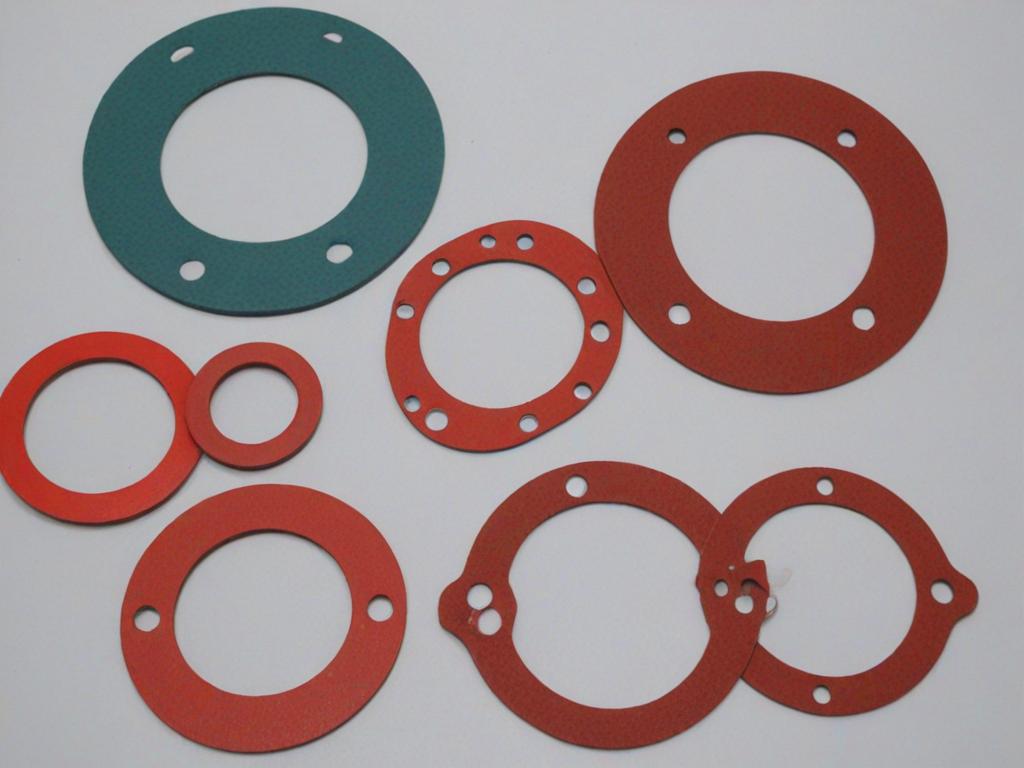
Select the right food-grade gasket with Gasketech in Melbourne. Ensure FDA compliance and material compatibility for food processing systems.
Maintaining hygiene standards in food production requires meticulous attention to sealing components. Effective food-grade gasket selection ensures that processing systems remain leak-free while preventing batch contamination. Engineers must evaluate how specific polymers interact with various ingredients and cleaning chemicals to maintain system integrity.
Understanding Industrial Food Processing Standards
Sanitary environments demand sealing materials that resist bacterial growth and withstand rigorous wash-down cycles. These components must retain their physical properties when exposed to high-pressure steam and aggressive sanitising agents. Consistency in material performance prevents premature seal failure and costly unscheduled downtime in the production line.
Food-grade requirements often dictate the use of FDA-compliant gaskets to meet international safety benchmarks. Refined food-grade gasket selection involves verifying that the compound does not leach harmful substances into the product stream.
Essential Criteria for Material Compatibility
Choosing the right sealing material involves more than just checking for regulatory approvals. Precise mechanical properties are required to handle the thermal and chemical stresses found in modern manufacturing facilities.
Consider these common food-grade materials:
- Silicone Seals: This material offers excellent thermal stability and flexibility across a wide temperature range, making it ideal for baking and freezing applications.
- EPDM Compounds: High resistance to animal fats and vegetable oils makes this elastomer a preferred choice for dairy and beverage processing environments.
- Nitrile (NBR): These seals provide superior resistance to abrasion and oily substances, ensuring a long service life in heavy-duty mechanical equipment.
- PTFE Gaskets: Chemically inert properties allow this material to perform reliably when exposed to highly acidic or alkaline cleaning solutions without degrading.
- Viton (FKM): Specialist high-temperature applications benefit from the exceptional chemical resistance and durability of this premium fluoroelastomer.
Technical Performance in Food Grade Gasket Selection
Process temperatures and internal pressures significantly influence the longevity of a mechanical seal. Standard food-grade elastomers must maintain a tight seal without undergoing permanent deformation under constant compression.
Chemical interactions between the food product and the sealing interface can lead to swelling or embrittlement if the wrong material is used. At Gasketech, we prioritise material compatibility to ensure our designs handle diverse ingredients like citrus juices or fatty oils without risking particulate shedding.
Refined engineering practices involve matching the gasket profile to the specific hygienic coupling used in the piping system. Modern manufacturing techniques ensure these seals provide a flush fit to eliminate dead spaces where bio-films could potentially develop.
Securing Operational Excellence
Investing in high-quality sealing solutions protects the reputation of a production facility and ensures long-term operational efficiency. Dedicated food-grade gasket selection remains a fundamental step in achieving a sustainable and compliant manufacturing process.
Gasketech provides a comprehensive range of sealing products designed to meet the rigorous demands of the Australian food and beverage sector. The inventory includes various certified elastomers tailored for specific thermal and chemical requirements.
Contact us to source reliable sealing components for your facility.
Related Blog Article: Food-Grade Silicone Gaskets: Surviving Extreme Temperatures in Food Processing
Optimized by: Netwizard SEO
