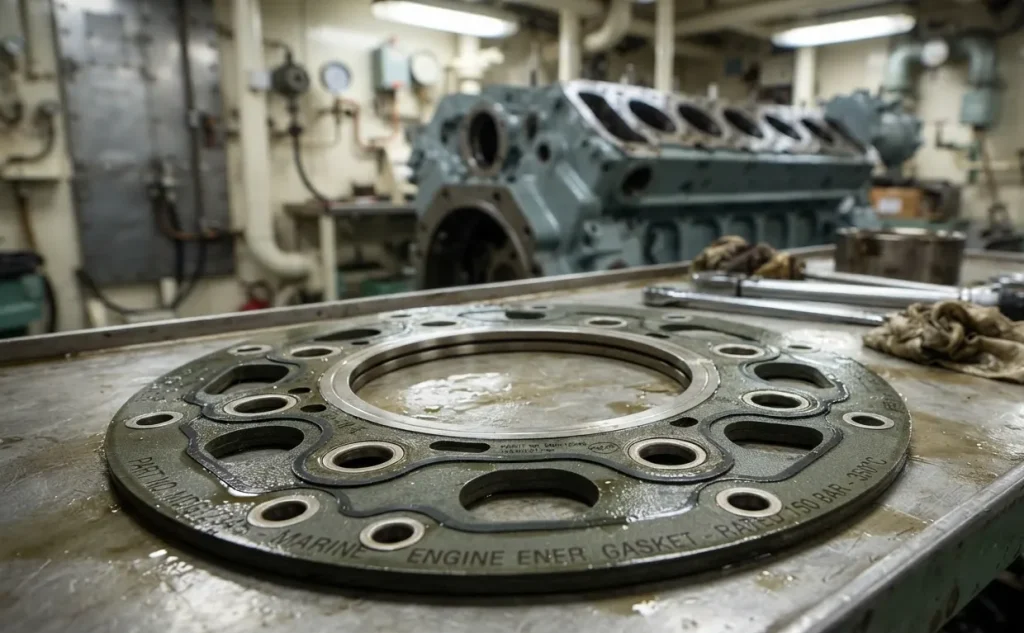
Custom Marine Gaskets must match the fluid, temperature, pressure and flange—send your specifications for a manufacturing quote.
Accurate specifications help commercial fleets avoid repeat leaks, unsuitable material substitutions and delays caused by incomplete gasket enquiries.
What are custom marine gaskets?
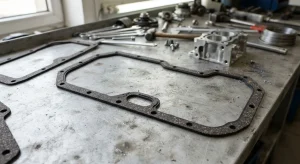
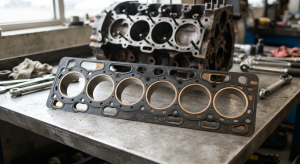
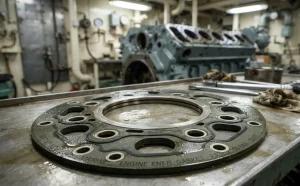
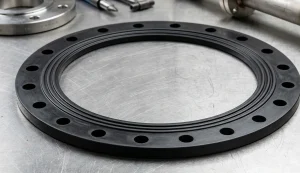
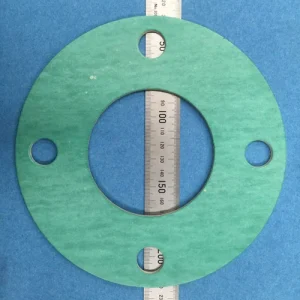
Custom marine gaskets are sealing components cut or manufactured to suit a vessel application where standard dimensions or materials may not fit. They may be considered for fuel, cooling, water, exhaust or ancillary systems, but the word “marine” does not define the correct compound. The operating conditions and equipment specification do.
Gasket selection must account for the contained medium, temperature range, internal pressure, flange material, surface condition, bolt loading and required dimensions. A material that performs well in one vessel system may deteriorate rapidly in another.
Marine Gasket Materials for Fuel, Cooling and Water Systems
The following materials have different strengths and limits. These are screening considerations, not final specifications:
- Viton: often considered where resistance to fuels, oils, chemicals and elevated temperatures is required.
- Expanded PTFE: offers broad chemical resistance and conformability for suitable flange conditions.
- Nitrile: commonly assessed for oil and fuel resistance, subject to grade and service temperature.
- Neoprene: may suit weathering, water and selected oil exposures, depending on the compound.
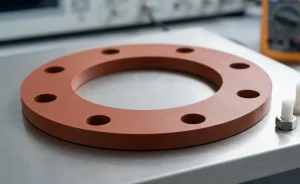
- Silicone: provides flexibility across a broad temperature range but requires careful review for mechanical and fluid compatibility.
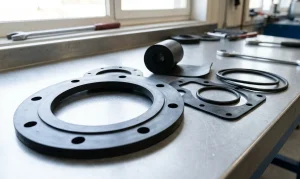
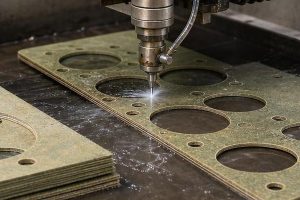
Gasketech lists these options within its industrial gasket materials, alongside graphite, CNAF and other sealing products. Its custom gasket manufacturing capability serves local and imported machinery across multiple industries.
Commercial Fleet Gasket Specification Checklist
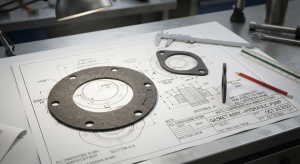
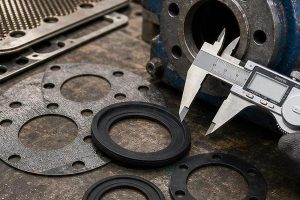
Start with the equipment manufacturer’s data and the original gasket specification where available. Supply a drawing, sample or verified dimensions, then document the fluid concentration, normal and maximum temperature, normal and maximum pressure, flange type and any history of leakage or material degradation.
Do not request “the strongest rubber”. Hardness, compressibility and recovery must suit the joint. An excessively hard or thick gasket can perform poorly where available bolt load and flange stiffness cannot create an effective seal.
Marine Gaskets and Australian Vessel Requirements
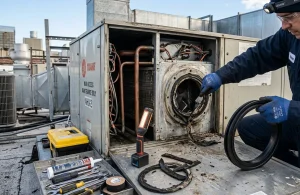
No. A gasket is one component within a larger machinery or fluid system. The AMSA commercial-vessel machinery standard covers vessel machinery, fuel, fluid and ancillary systems, but selecting a material from a supplier does not by itself certify the vessel or installation.
Compliance responsibilities, survey requirements and approval of substitutions should be confirmed with the vessel designer, equipment manufacturer, surveyor or other competent adviser. Avoid claims that a gasket will eliminate leakage, prevent pollution or guarantee regulatory acceptance.
Requesting a Custom Marine Gasket Quote
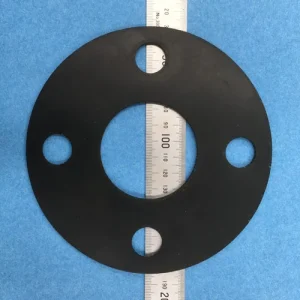
Provide the quantity, dimensions, drawing or sample, material currently fitted, service medium, operating limits and delivery deadline. If traceability or certification is required, state it in the enquiry so availability can be confirmed rather than assumed.
Where the original gasket failed, retain it and photograph the joint before cleaning. Uneven compression, blow-out direction, chemical attack or local overheating can provide useful evidence. Also report flange damage, bolt changes and repeated retightening. A newly cut gasket will not correct distorted flanges, insufficient bolt load or a joint operating beyond its design limits. Those conditions require separate engineering or maintenance attention before the vessel returns to service.
Need a gasket manufactured for a commercial-vessel application? Contact Gasketech with the technical details for a practical material and manufacturing discussion. A complete brief reduces incorrect substitutions, speeds quotation and helps confirm whether the requested gasket can be produced for the intended service.